

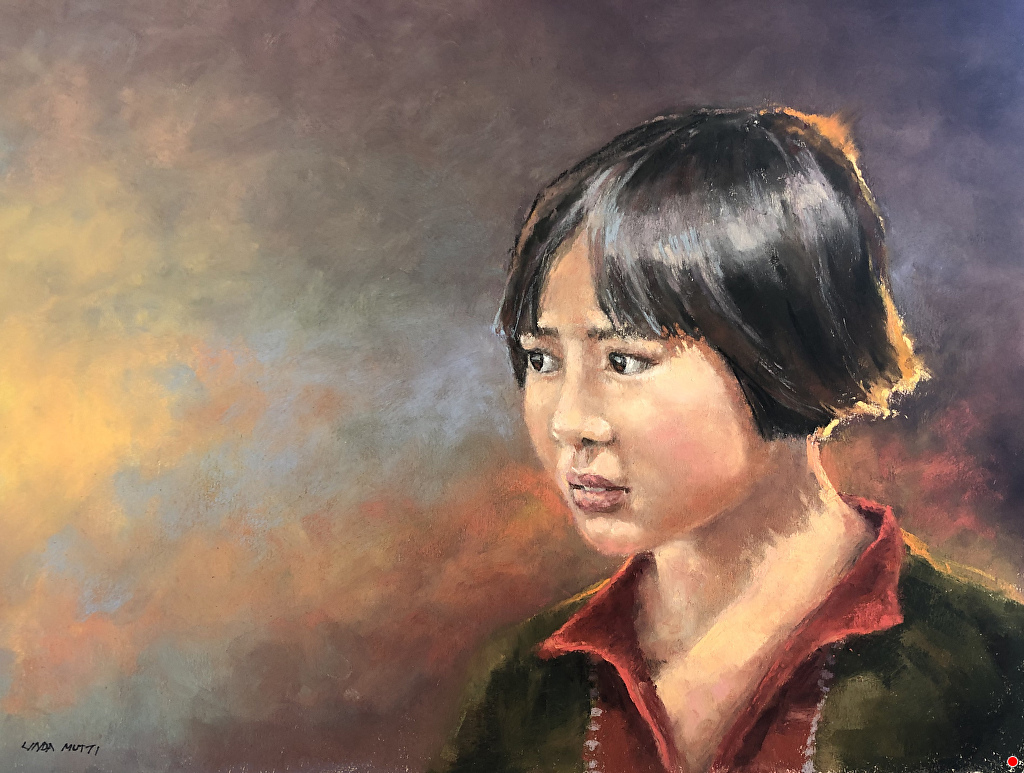
Whether you’re a beginner hesitant to pick up a pastel stick or an experienced painter looking to refresh and expand your technique, learning the fundamentals of pastel painting can open up a whole new realm of creative expression. In this episode of Art School Live, Linda Mutti walks you through essential pastel techniques, from basic mark-making to creating rich textures, broken color effects, and building confidence in your art practice.
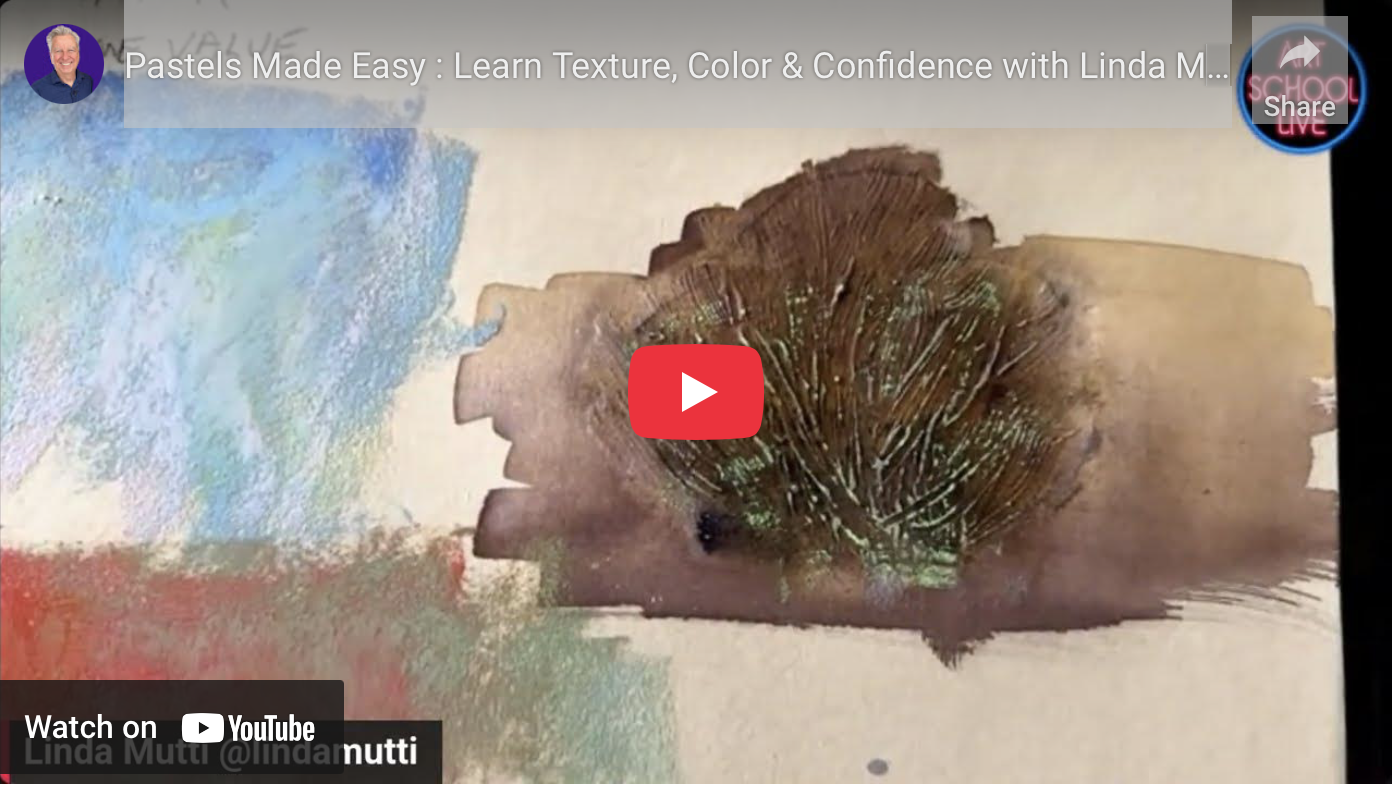
PRACTICAL TIPS FOR WORKING WITH PASTELS
- Remove Paper Wrappers: Taking off the paper from pastel sticks exposes more pigment and allows for broader strokes and better blending.
- Use Gritty Paper: Sanded papers with high grit hold more layers and produce beautiful textures and sparkle.
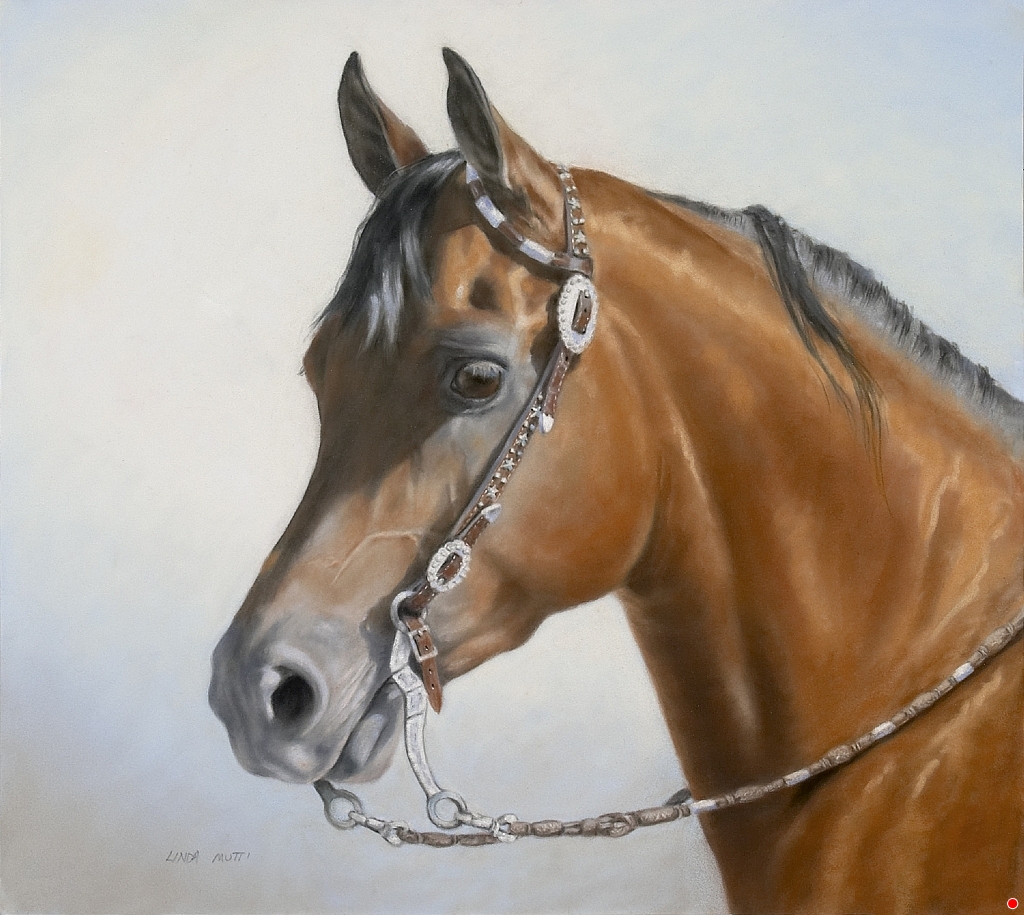
- Blend Thoughtfully: While blending can soften edges and create smooth transitions, over-blending can dull the crystal-like sparkle of pastels. Use blending sparingly and return with marks to restore vibrancy.
- Layer Neutrals Separately: Keeping neutral and muted colors in a separate area of your palette helps you avoid confusing them and makes it easier to use them effectively.
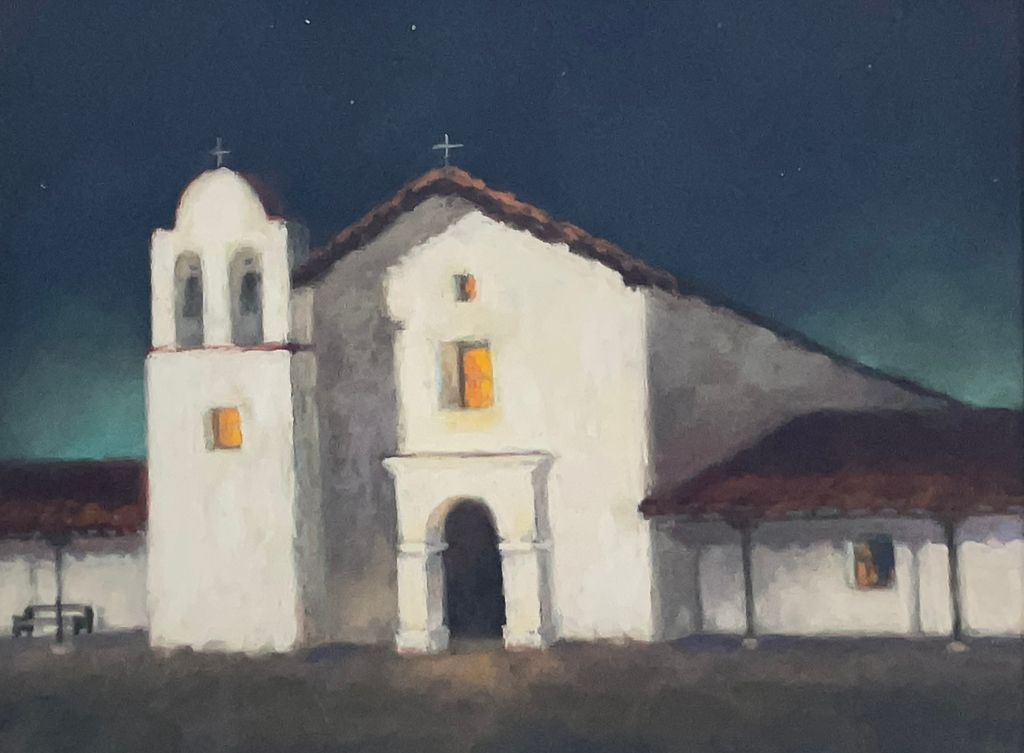
- Protect Your Work: Linda advises framing pastels without mats and sealing the glass to prevent pastel dust from disturbing the artwork. She avoids fixatives because they can darken colors.
- Embrace Mistakes: Don’t be afraid to make a mess or experiment. Playing freely with pastels is part of the learning process.




What do you mean about sealing the glass when framing? How do you “seal” the glass??