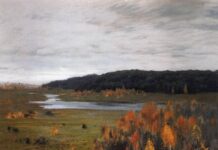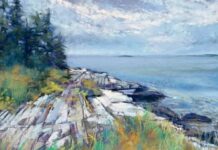

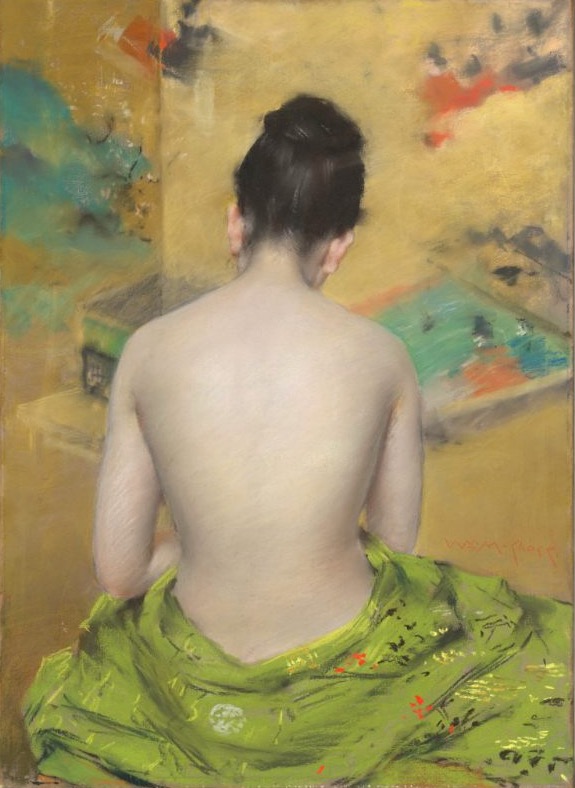
Some of the most significant works in American art history happen to be pastels — and most people will never see them.
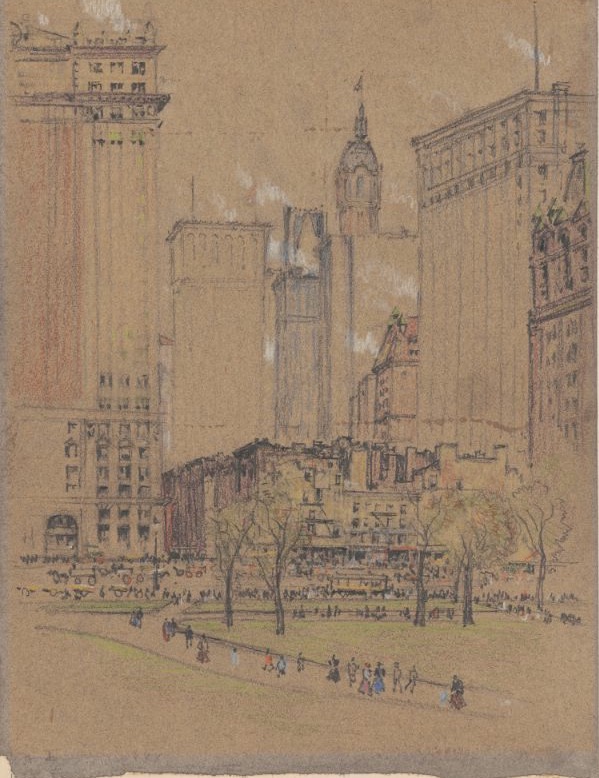
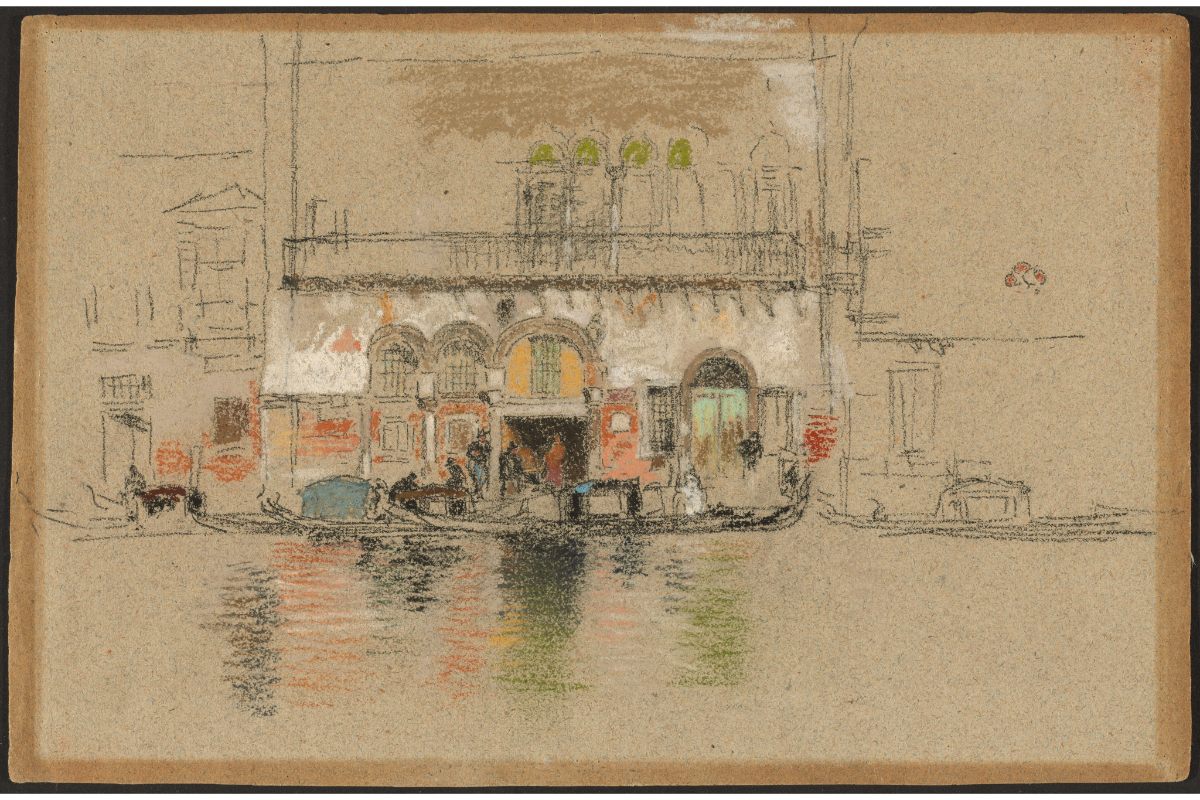
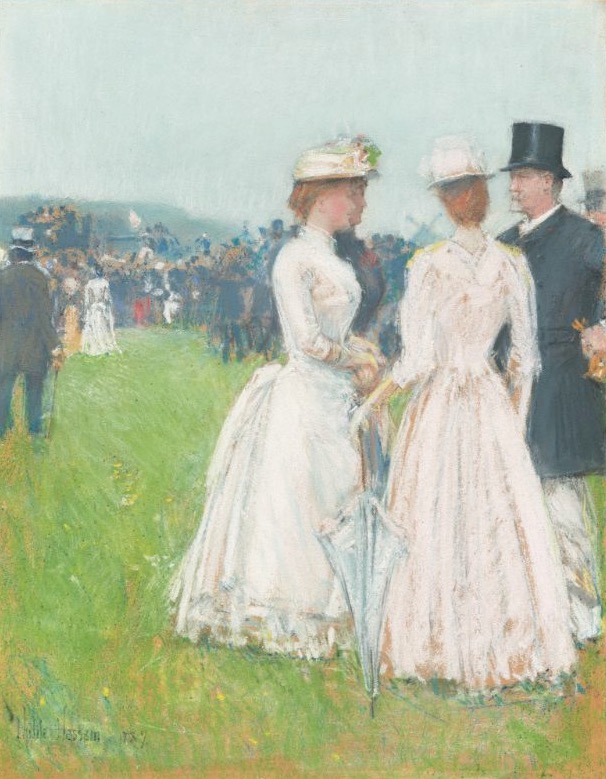
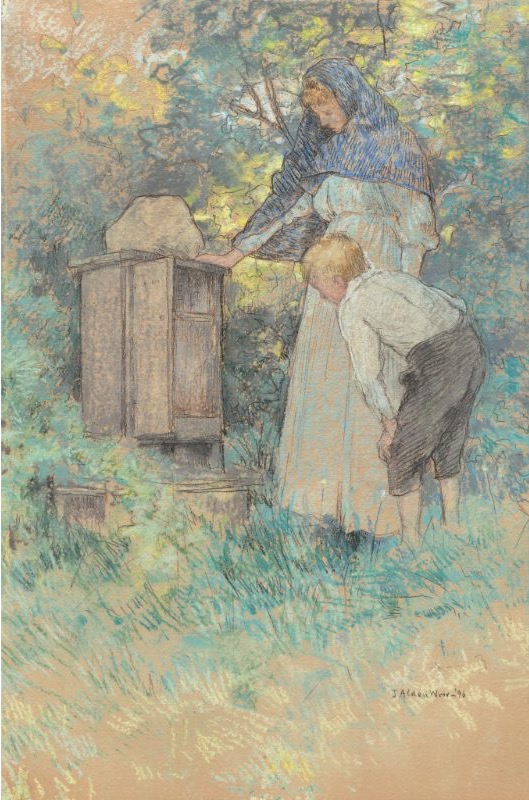
The National Gallery of Art holds a remarkable collection by some of the most important American artists of the 19th and 20th centuries: Mary Cassatt, James McNeill Whistler, Arthur B. Davies, and George Luks. These aren’t only minor works or studies — they’re often substantial, fully realized pieces by artists at the height of their powers. But because works on paper require careful light and climate control to preserve their surface over time, they’re exhibited sparingly and rarely travel. The result is a strange irony: some of the finest pastels ever made by American hands spend most of their existence in flat files, seen by almost no one.
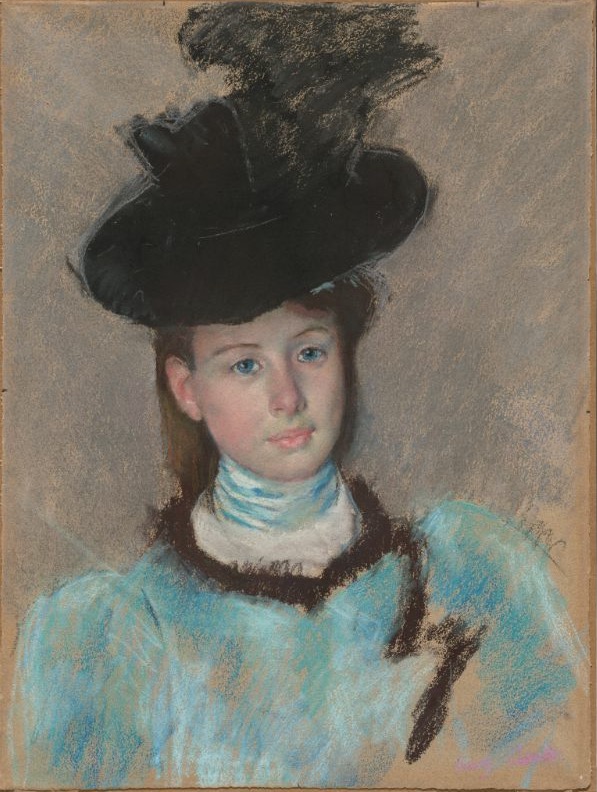
As America celebrates 250 years, I thought it a fitting time to highlight some of these pastels — a reminder of how much serious, ambitious work has been done in this medium by artists most people associate with other materials entirely.
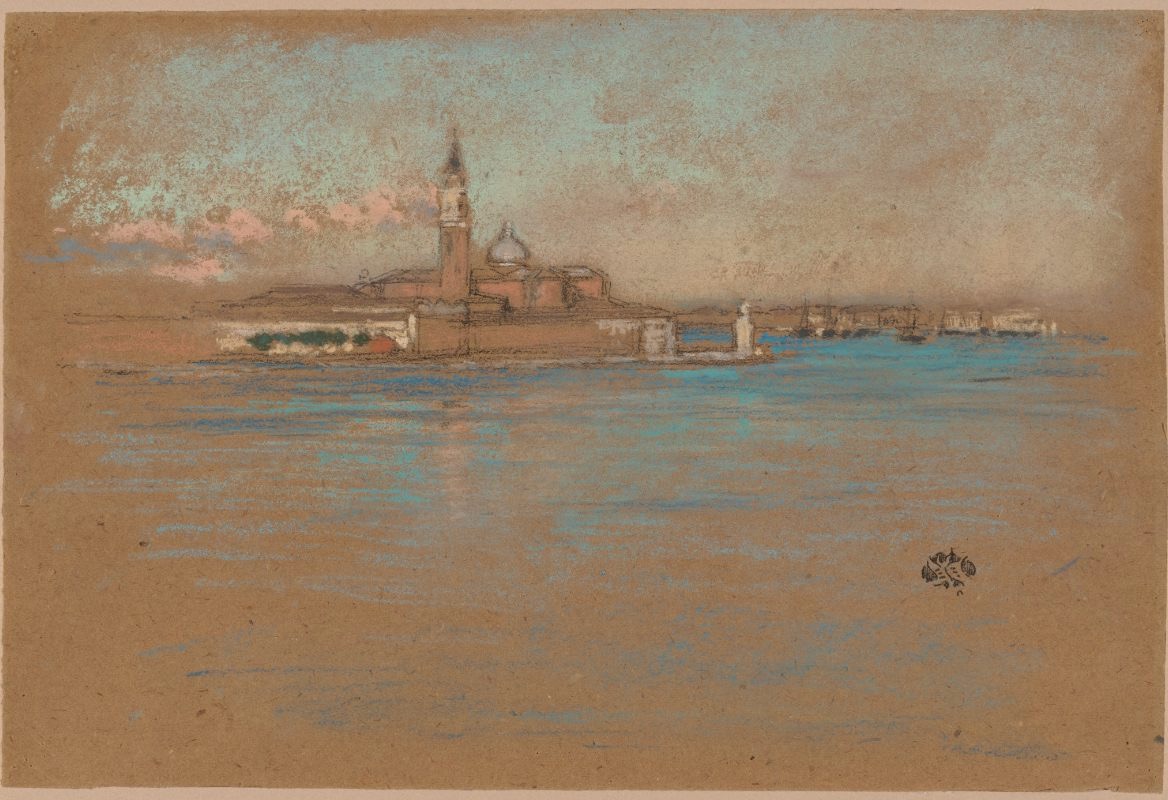
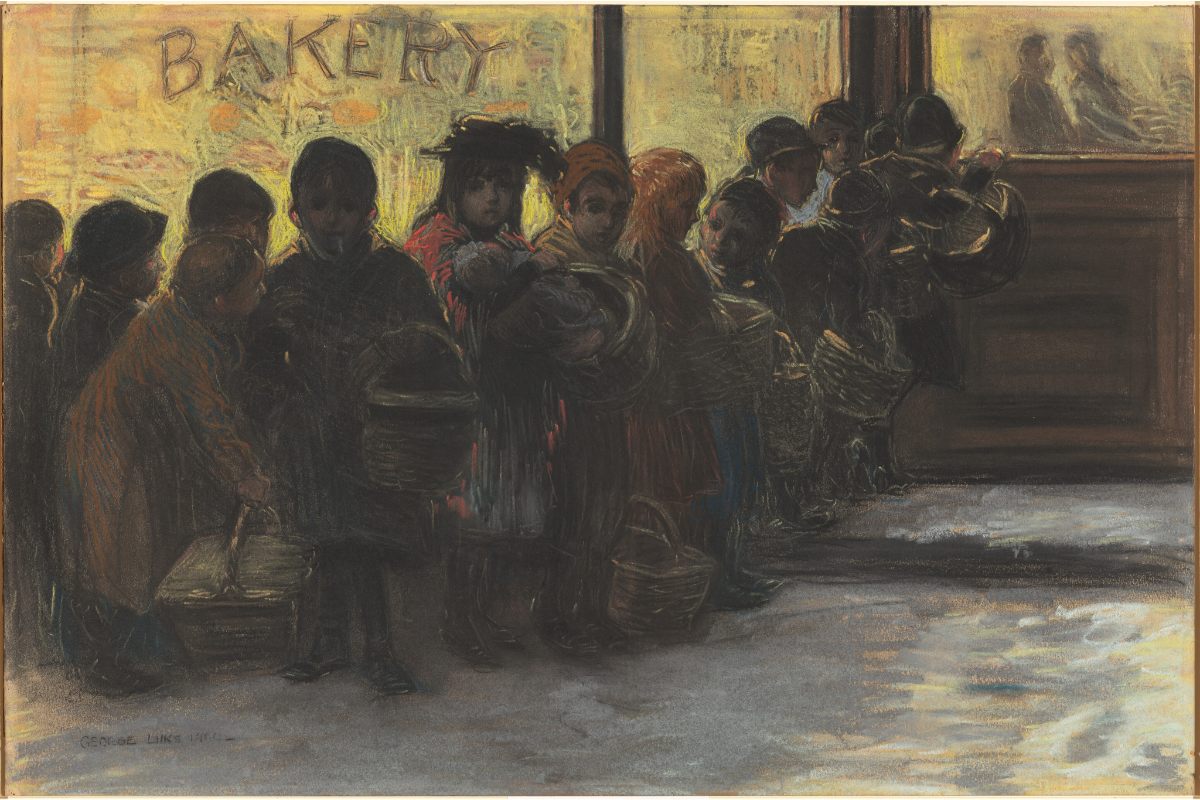
Mary Cassatt, the only American to exhibit with the French Impressionists, turned to pastel for some of her most psychologically rich domestic scenes — mothers and children rendered with a softness and intimacy that oil rarely achieved for her. James McNeill Whistler, who spent most of his career abroad, brought the same atmospheric restraint that defined his oils into his pastels, using the medium’s particular quality of light to extend his exploration of mood and tone. Arthur B. Davies, a key figure among The Eight and a founding force behind the landmark 1913 Armory Show, used pastel to pursue the dreamlike, lyrical figures and landscapes that set his work apart from the gritty realism of his contemporaries. And George Luks, best known for his unsparing urban scenes as a member of the Ashcan School, found in pastel a looser, more immediate register — a way to capture the energy of city life with a directness that suited his eye for everyday grit and humanity.
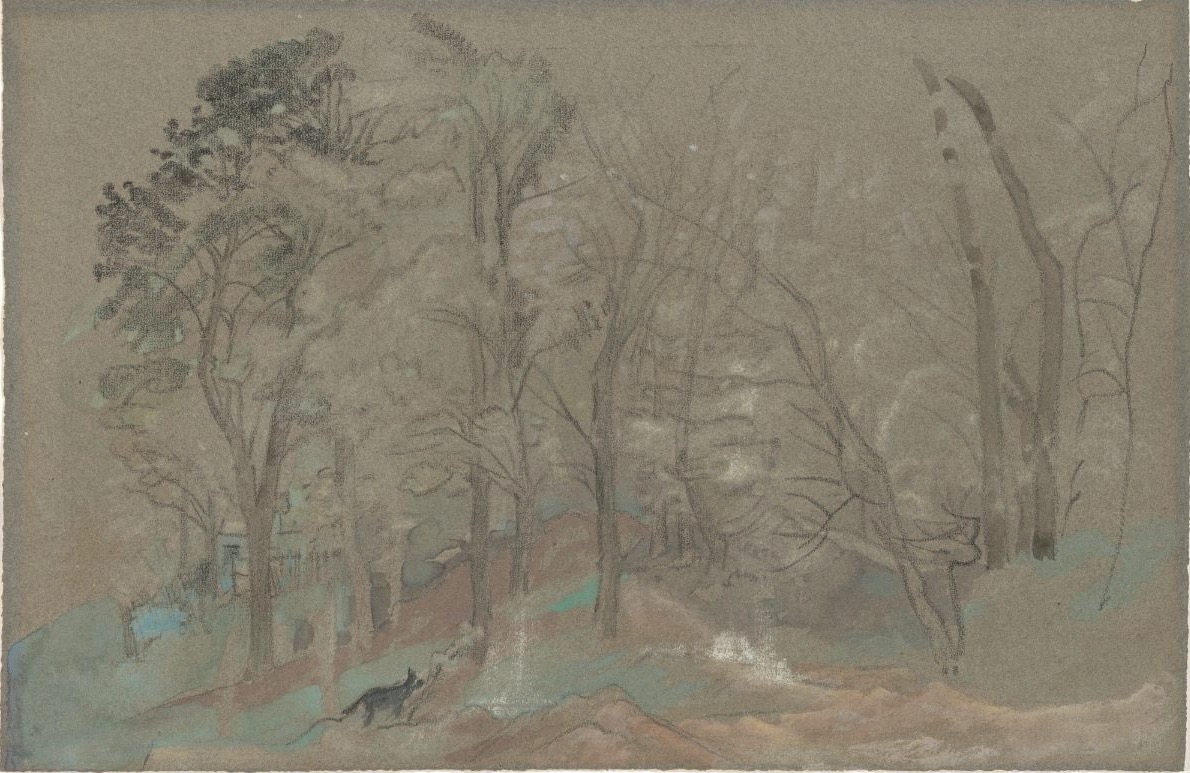
Taken together, these four artists span nearly a century of American art — Impressionism to modernism — and in each case, pastel wasn’t a secondary medium or a sketching tool. It was where some of their most ambitious thinking happened. The work by these and other American masters deserves recognition on its own terms, not as a footnote to oil painting. If you ever get the chance to see one of these pieces in person, take it. The opportunity doesn’t come around often enough.
MORE AMERICAN PASTELS