
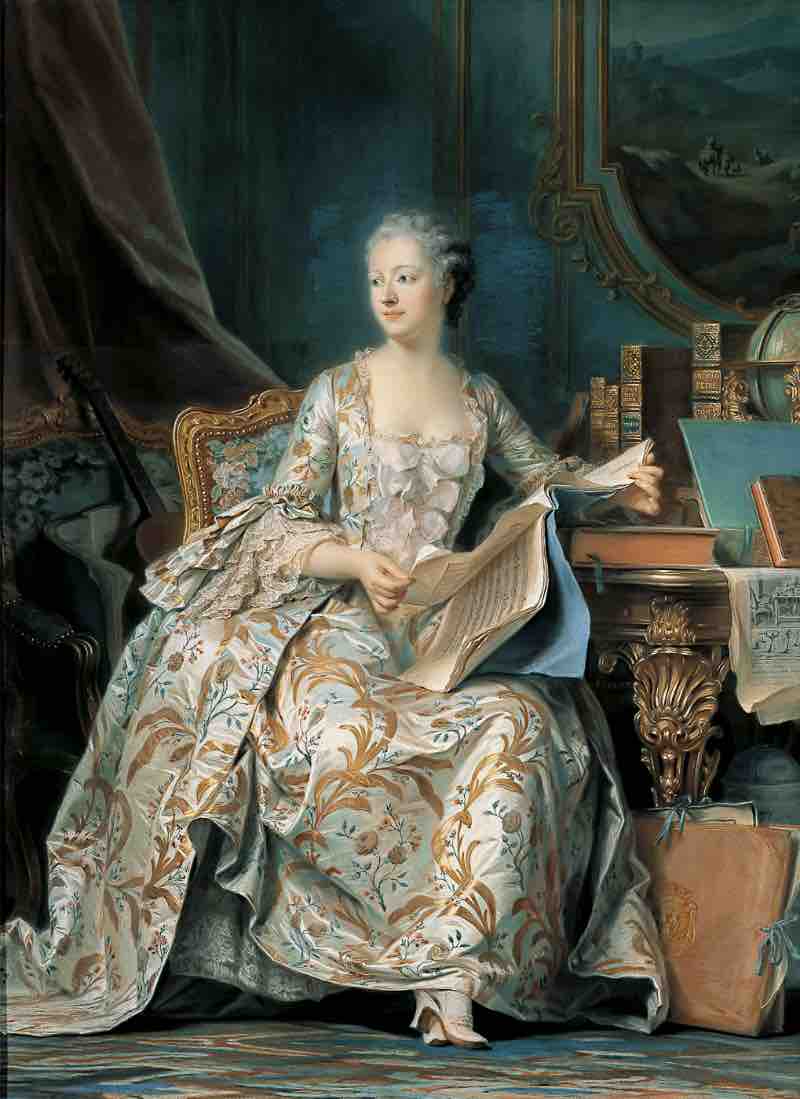
Ever since our prehistoric ancestors dipped into the earth with sticks and fingers to make images on cave walls, we’ve understood the merits of natural pigments and chalks for drawing. The first “true” pastels, however, showed up in the 16th century when craftsman in Northern Italy mixed powdered pigments with enough gum arabic, or fish or animal glue, to bind them. Still, it wasn’t until the early 1700s that pastels hit their stride. Thanks to the rise of ready-made pastel sticks and bigger sheets of glazed glass, wealthy sitters in France and England suddenly wanted their portraits rendered with the soft, luminous medium. Big names like Rosalba Carriera and Quentin de La Tour rode the wave, leveraging the advances in glass technology and expanded color ranges to produce pastel portraits that rivaled oils in both scale and paychecks.
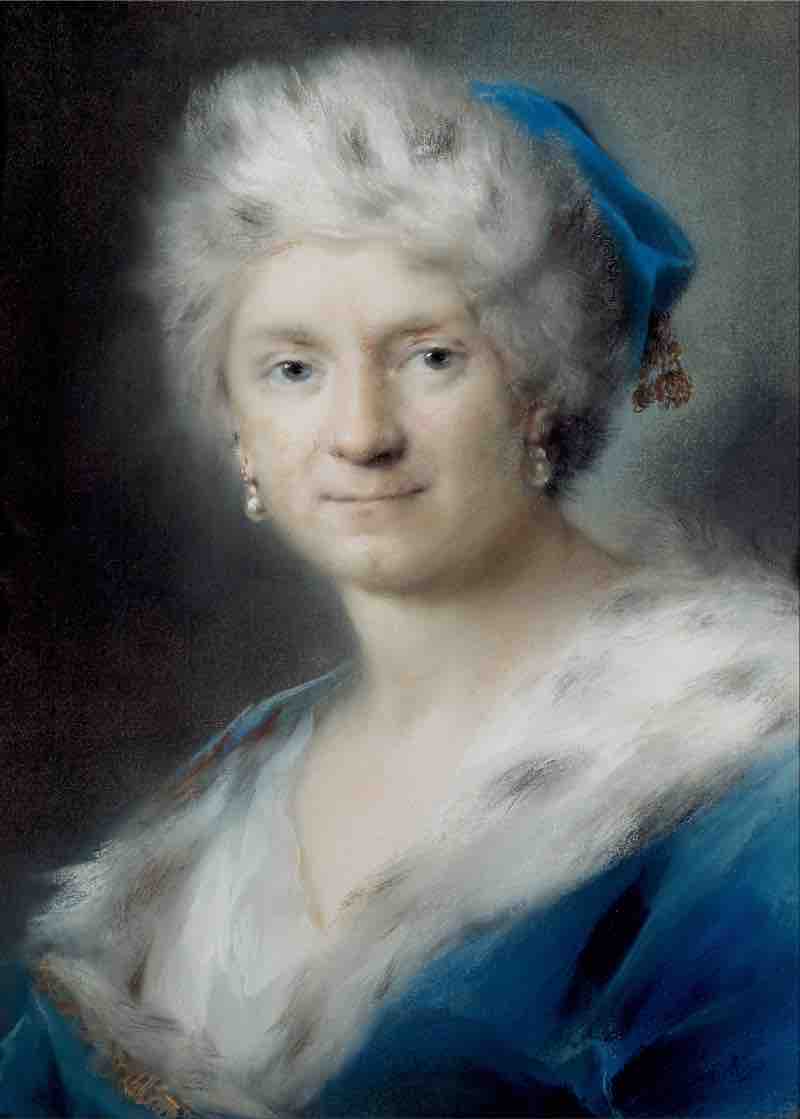
That golden age wasn’t just a chapter in history — it set the stage for artists working today. Take contemporary pastel and figurative painter JaFang Lu, whose “Portraits of Philadelphians in Black and White” drawing project attempted to reflect the racial diversity in Philadelphia.
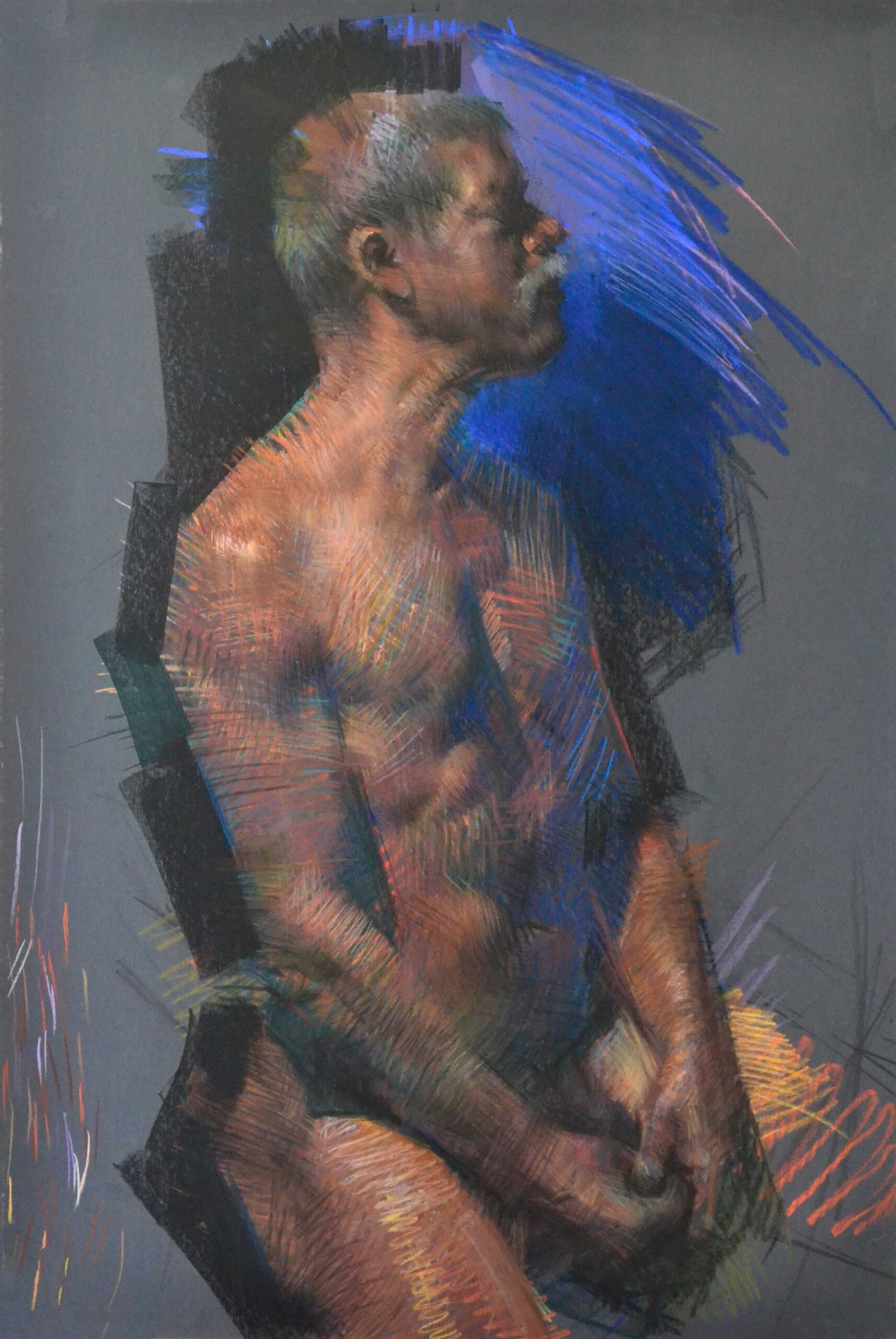
Like her predecessors, Lu brings a deep understanding of color, form, and technique to her work. A graduate of City College of New York and the prestigious Studio Incamminati, where she studied under Nelson Shanks, she’s now passing that expertise forward — teaching workshops on figure painting and color. Her classes, whether on portraiture or chromatic palettes, echo the discipline of those early pastellists, while also embracing contemporary values like representation and diversity.
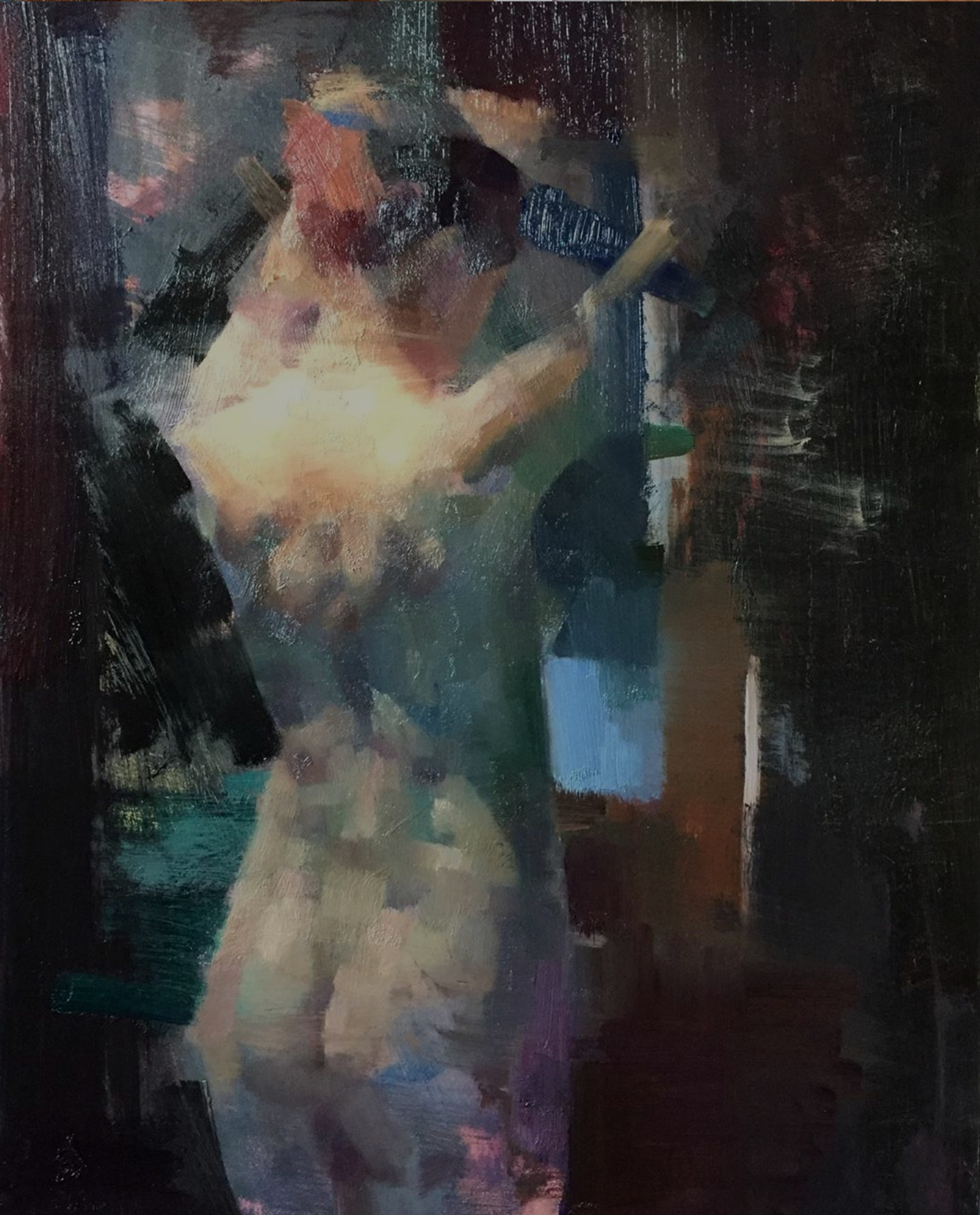
Although the art history books put us well-past pastel’s “golden age,” we can celebrate the vibrant range of pastel work being created today.
Join us September 17-19, 2025, for Pastel Live! See how contemporary masters, including Vera Kavura, Aaron Schuerr, and Rita Kirkman, handle pastel today.