
By Lorenzo Chavez
1. Clothing
Dressing for ever-changing weather means dressing in layers. This is essential if you want to experience firsthand the many moods and sensations of painting outdoors, across seasons and times of day. Be prepared for a range of temperatures and conditions. Hats are important in any weather, and good gloves are a must in cold conditions. Wear sturdy walking or hiking shoes suitable for uneven terrain. And while it may be tempting, it’s best not to wear sunglasses while painting — they distort color and prevent you from seeing hues as they truly are.
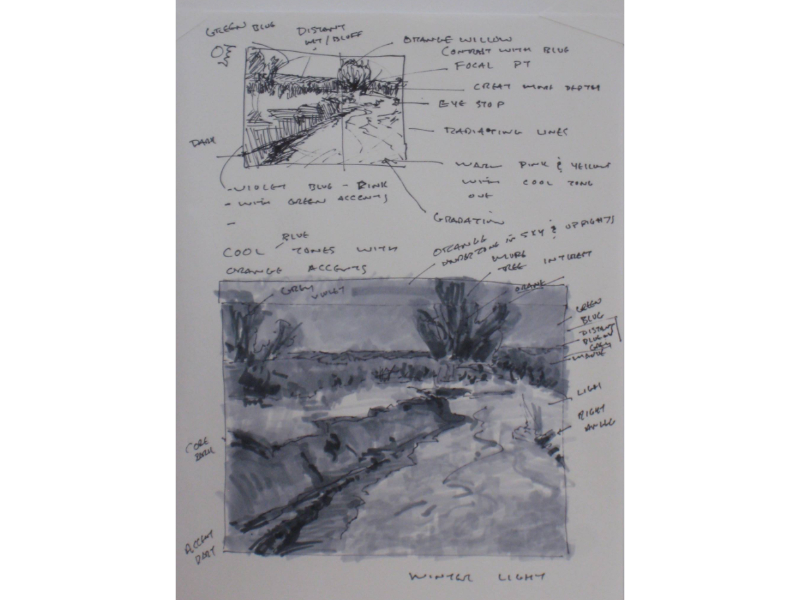
2. Equipment & Sketchbook
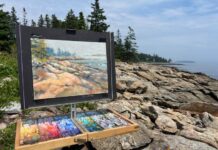
Remember: less is more. Lightweight gear allows you to walk, explore, and respond more freely to nature’s inspiration. Choose portable easels and pastel panels or boards, and keep an organized pastel palette with warm and cool primaries, plus a range of secondary and tertiary colors arranged by value. Carry a small sketchbook and simple drawing tools — pencils, pens, or markers. Sketching sharpens observation far better than photography. Keeping designated plein air equipment organized and ready to go — ideally stored in your car — makes it easier to seize fleeting effects of light, clouds, or moving water.
3. Bug Spray, Sunblock & Water
Always keep these essentials in your car or backpack. Use a high-SPF sunblock and bring plenty of water to stay hydrated. Nature is alive with insects and wildlife; they keep us alert and add to the dynamic experience of painting outdoors.
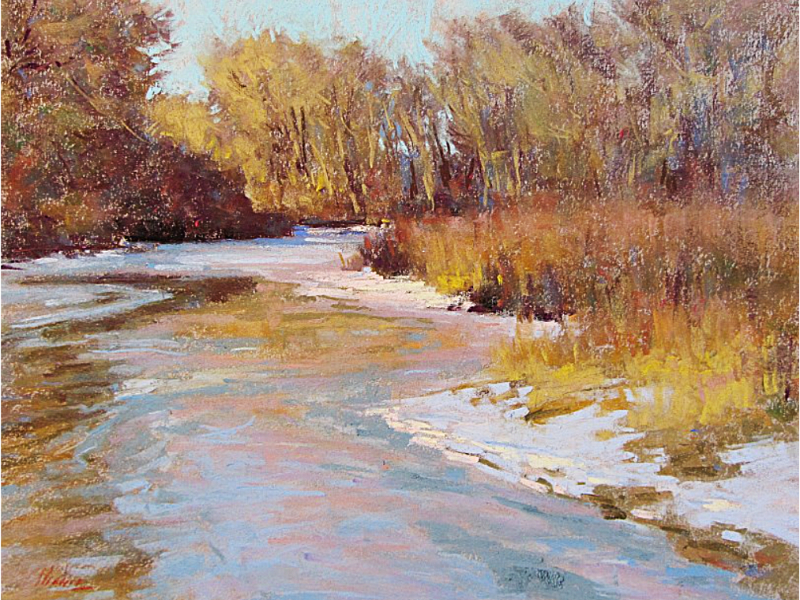
4. Scouting Locations
Paint places that inspire you — locations with personal meaning or those you’re eager to explore. Arrive with an open mind and heart, allowing nature to guide and teach you. Set up where you feel safe, comfortable, and engaged. Look for compelling arrangements of shapes and strong patterns of light and shadow.
Consider your light–dark design carefully: favor either light-dominant or shadow-dominant compositions, rather than equal proportions. Keep details minimal. A plein air sketch is a shorthand poem of your experience. Paint for yourself first, and enjoy the process more than the product.
5. Seasons
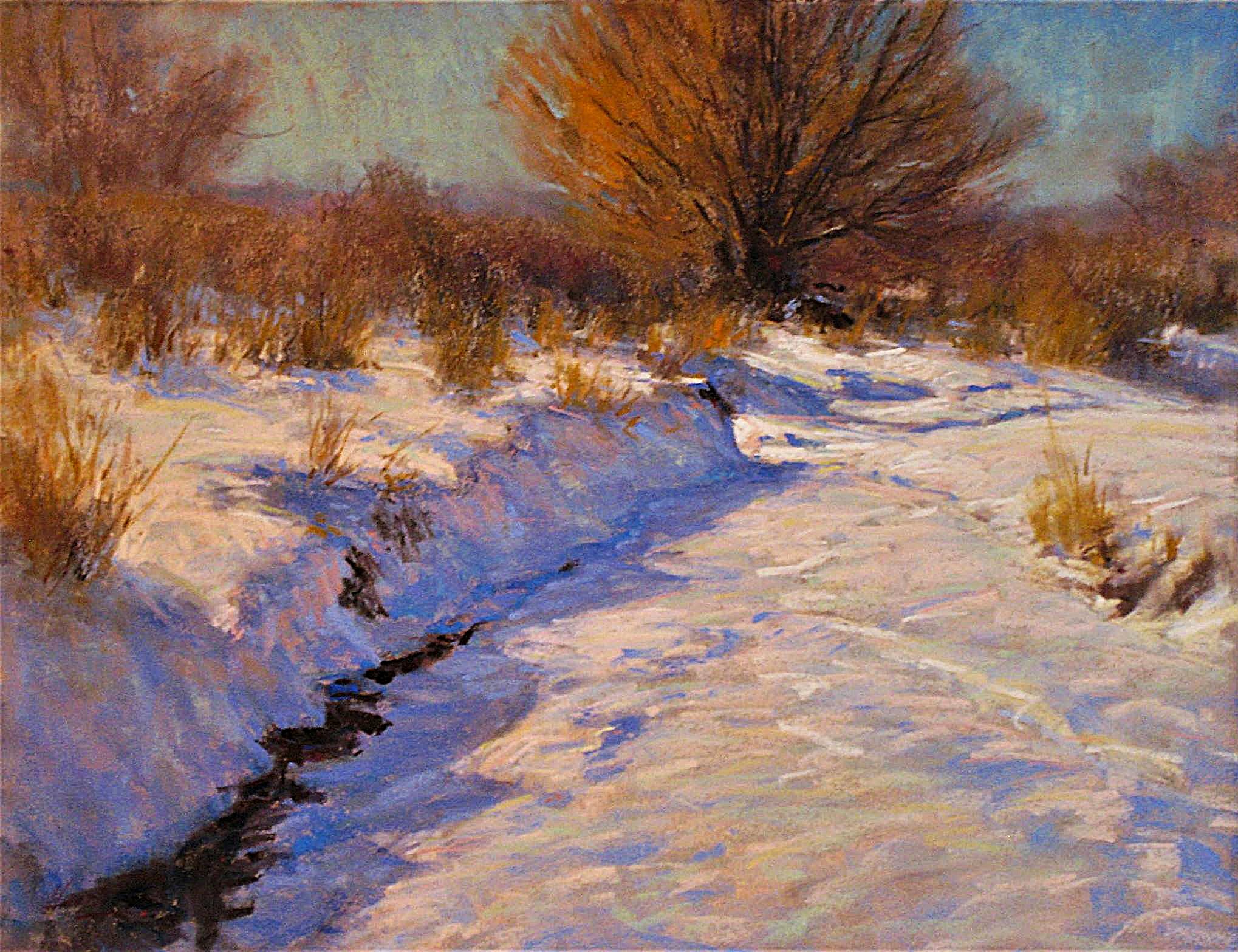
Paint in all seasons and weather conditions to gain a true understanding of local color throughout the year. This deepens your awareness of seasonal shifts and how they influence mood, temperature, and color — from warm to cool, vibrant to muted.

6. Best Time of Day
Any time of day or night can be the “right” time to paint, but the most dramatic lighting often occurs from sunrise to midmorning and late afternoon into sunset. Exploring a variety of lighting conditions strengthens your understanding of how color responds to light, shadow, overcast skies, nighttime illumination, and atmospheric perspective.
7. Weather Awareness
Always check the forecast before heading out. Stay close to your setup in windy conditions to prevent equipment from tipping over. Dramatic weather often produces the most compelling contrasts in color and value.
8. Storage
Have a safe system for transporting and storing your pastels and finished studies. Treat these works with care — each one holds valuable information and memories from your direct engagement with nature.
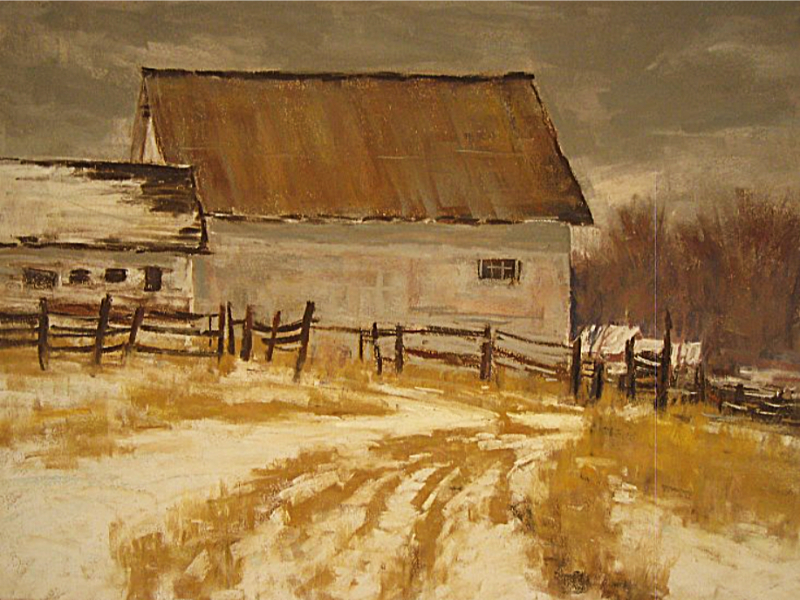
9. Reference Gathering
Photographs should serve only as reminders of firsthand experience, not replacements for it. Keep a camera accessible for sudden changes in light, clouds, water, wildlife, or passing figures. Take photos while walking to and from your painting spot; these additional references help build a fuller understanding of the place and can lead to stronger compositions later.
10. Sketch or Study
When painting outdoors, consider two approaches. A study is a focused, analytical look at objects as they truly are — rocks, trees, clouds, vegetation. A sketch captures the broader impression: big shapes, loose values, color relationships, and the spirit of the scene. Spending time as a student of nature leads to deeper understanding — and, ultimately, more truthful and heartfelt work.
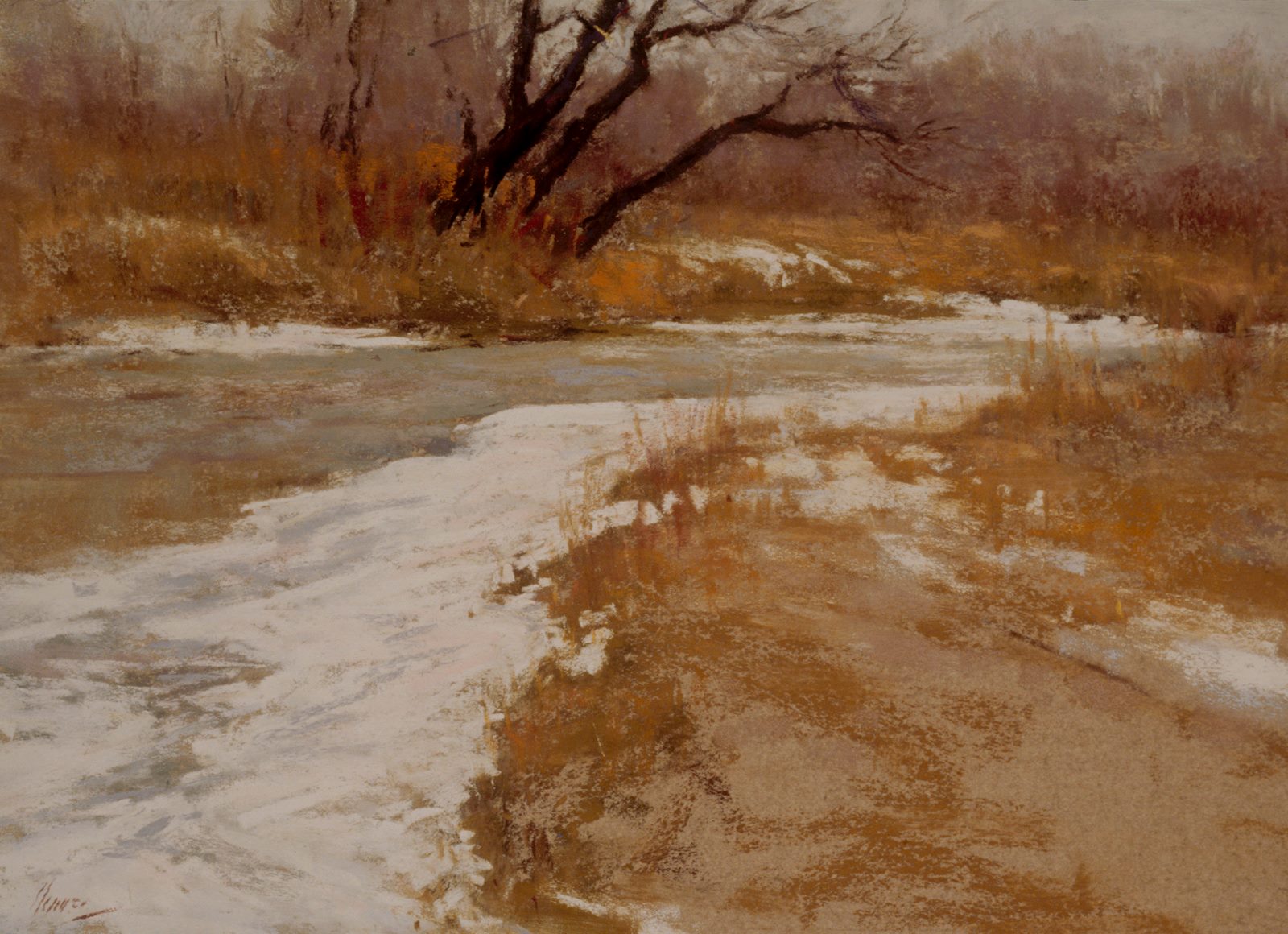
11. Presence
Pay attention to subtle shifts in color and value from foreground to distance. Notice nuance, atmosphere, and the mood of the day. Be fully present with nature, and paint with energy, curiosity, and joy.
Ready to strengthen your plein air skills and paint with greater confidence outdoors? Plein Air Live returns September 16-18, 2026, bringing top artists together for live demos, practical instruction, and field-tested insights you can use immediately.